Best built-in grills for Florida salt air: 304 vs 316 stainless
What the stainless steel grade on a grill really means, when 316 is worth it, and the habits that keep any grill looking good in Boca Raton's salty, humid air.

Salt air is the first thing most Boca Raton homeowners ask about when they shop for an outdoor grill. It is a fair question. Between the ocean breeze, the Intracoastal, afternoon storms and year-round humidity, an outdoor kitchen here works harder than one in a dry climate. The good news is that the right materials and a few simple habits go a long way. This guide explains what the stainless steel grade on a spec sheet means, how 304 and 316 compare, and what else matters when you choose a built-in grill.
Why stainless steel is the standard outdoors
Stainless steel resists rust because it contains chromium, which forms a thin, invisible layer on the surface. That layer protects the steel underneath and repairs itself when it is exposed to oxygen. Problems start when that layer is overwhelmed, usually by chlorides (salt) sitting on the surface, by trapped moisture, or by contamination from plain steel tools and wire brushes. When that happens you may see tea staining, small brown spots, or pitting.
Not all stainless steel is the same. The grade tells you the recipe, and the recipe affects how well the steel holds up near salt water.
304 stainless: the common choice for quality grills
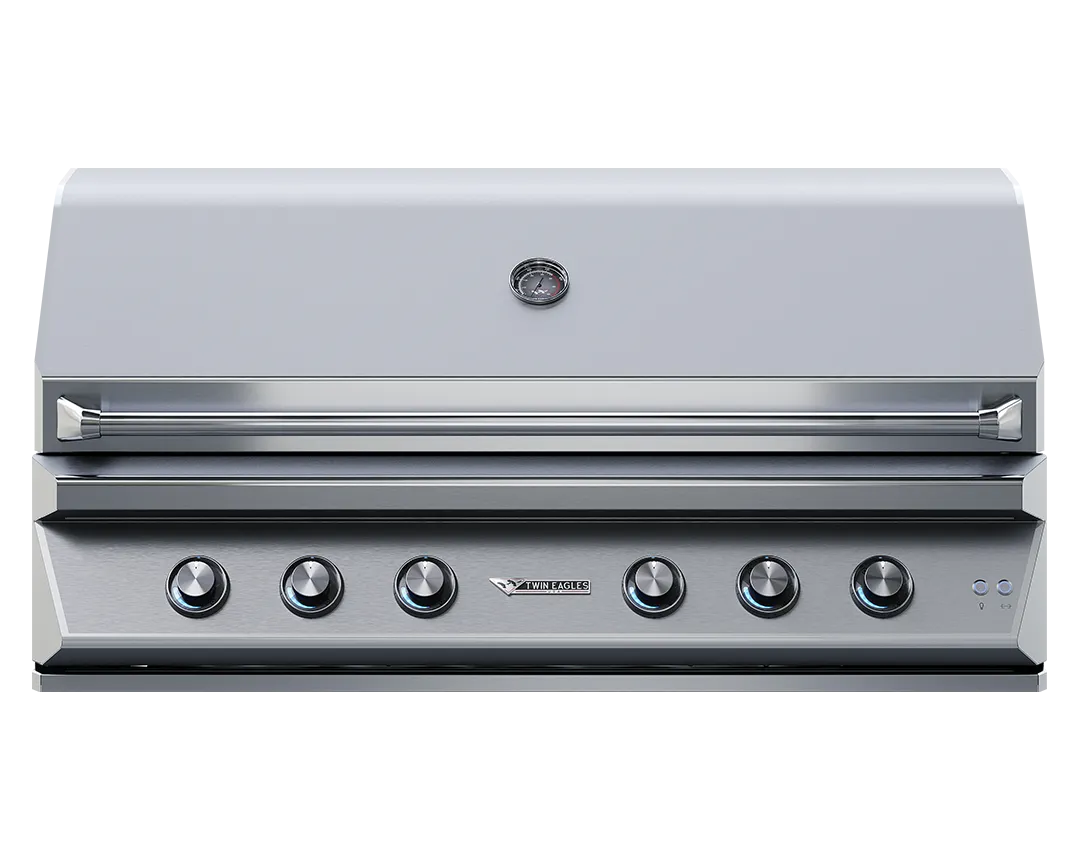
Most well-built outdoor grills use 304 stainless steel for the body, hood and many internal parts. 304 is an austenitic stainless steel with a good balance of corrosion resistance, strength and workability. It is the grade you will see listed on many grills in our shop, including the DCS Series 7 and Series 9 grills, Twin Eagles C Series and Eagle One grills, XO Pro-Grade grills, Coyote grills, Artisan grills and many Summerset and Blaze models.
For most Boca Raton homes, 304 stainless performs well when it is cleaned regularly and kept covered when not in use. It is a sensible standard for a grill under a loggia or on a patio set back from the water.
316 stainless: the marine grade
316 stainless steel adds molybdenum to the mix. That addition improves resistance to chlorides, which is why 316 is often called marine grade and is used on boats and in coastal construction. 316L is a low-carbon version of 316 that is often used for welded parts.
In our shop, the Blaze Marine Grade Premium LTE+ grill is built with 316L stainless components and has no exposed weld seams, which removes common starting points for corrosion. A 316 grill is worth a serious look if:
- Your outdoor kitchen faces the ocean or the Intracoastal and catches spray on windy days.
- The grill will sit in the open rather than under a roof.
- You want the most corrosion resistance available and are comfortable with the price difference.
316 is more resistant, not immune. A marine grade grill still benefits from rinsing and a cover.
Watch for mixed grades
A spec sheet can list more than one grade. Some grills use 304 for the burners and a different grade, such as 443 or 430, for the body or hood. Ferritic grades like 430 and 443 can look the same on the showroom floor, but they generally have less corrosion resistance than 304 in coastal conditions. In our shop, a few entry-level Summerset grills list #443 stainless for the body and hood with #304 burners. They can be a good value for a covered area or a community space, and your project manager will point out the difference if your home is close to the water.
When you compare grills, look for the grade of the hood, the firebox, the grates and the burners, not just a single line that says stainless steel.
Other details that matter near the coast
The grade is only part of the story. When we design an outdoor kitchen in Boca Raton, we also look at:
- Welds and seams. Fully welded, polished seams leave fewer places for salt and moisture to collect.
- Burner material and warranty. Cast or heavy stainless burners with long warranties are a good sign the manufacturer expects them to last.
- Placement. A grill under a roof or pergola gets less direct rain and spray. A vent hood is planned when the grill sits under a solid roof.
- The island. Combustible islands often require an insulated jacket for the grill, and good drainage keeps water from sitting around the grill and storage.
- Matching storage. Doors and drawers in the same grade and finish age together. Browse doors, drawers and storage to match your grill.
Simple care that makes a big difference
Whatever grade you choose, a little routine care protects your investment:
- Rinse exterior surfaces with fresh water every week or two, more often after storms or windy days.
- Wipe with a soft cloth in the direction of the grain, and use a stainless cleaner made for outdoor appliances.
- Avoid steel wool and plain steel wire brushes, which can leave particles that rust.
- Keep the grill covered when it is cool and not in use. Covers are listed in our accessories.
- Follow the manufacturer's care guide, which is usually in the documents on each product page.
How to choose
If your home is a few blocks or more from the water and the grill will be covered, a quality 304 grill from a brand you like is a solid choice. If the grill will face open water or sit fully exposed, consider a 316 model or plan extra protection. Either way, choose the grill early, because its width and cutout set the size of the island.
Kingdom Backyard designs and installs every outdoor kitchen we build, so we can help you weigh grade, placement and budget for your home. Book a consultation or visit our Boca Raton Design Center to see finishes in person.